How to Upgrade Your Existing Card to a Higher Credit Limit introduces the key steps and strategies to increase your credit limit effectively, empowering you to manage your finances better and access more credit when needed.
This guide will walk you through the essential aspects of upgrading your existing card limit, from understanding the process to maximizing your chances of approval.






Researching Credit Limit Increase
Understanding credit limits is crucial for managing your finances effectively. Your credit limit represents the maximum amount of credit extended to you by a financial institution, which you can borrow against. It is essential to be aware of your current credit limit and how it impacts your overall financial health.
Factors Influencing Credit Limit Increases
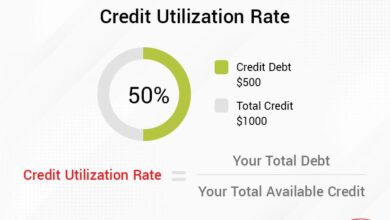
When considering a credit limit increase, several factors come into play. These may include your credit score, income level, payment history, and overall credit utilization ratio. A higher credit score, steady income, and responsible credit management can increase your chances of qualifying for a credit limit increase.
Appropriate Times to Request a Credit Limit Increase
There are certain situations where it may be appropriate to request a credit limit increase. For example, if you have experienced an increase in income or your credit score has improved significantly, you may be eligible for a higher credit limit. Additionally, if you are planning a large purchase or need additional credit for emergencies, requesting a credit limit increase can provide you with more financial flexibility.
Contacting Your Credit Card Company
When you decide to upgrade your credit limit, the first step is to contact your credit card company. This can typically be done by calling the customer service number on the back of your card or logging into your online account to send a secure message.
Steps to Reach Out for a Credit Limit Upgrade
- Call the customer service number on the back of your credit card.
- Follow the prompts to speak with a representative.
- Request a credit limit increase and provide any necessary information.
- Alternatively, log into your online account and send a secure message requesting the upgrade.
Information Needed for a Credit Limit Upgrade
- Your current income and employment information.
- Your desired credit limit increase amount.
- Your reasons for needing a higher credit limit.
Tips to Prepare for the Conversation
- Review your current credit card usage and payment history to showcase responsible financial behavior.
- Be ready to explain why you need a higher credit limit and how it will benefit you.
- Consider mentioning any positive changes in your financial situation since you opened the account.
- Stay calm and polite during the conversation, even if your request is initially denied.
Demonstrating Responsible Credit Use
Responsible credit card usage is crucial for maintaining a healthy financial profile and building a positive credit history. By demonstrating responsible credit management, you show lenders that you are a reliable borrower, which can lead to credit limit upgrades and better financial opportunities in the future.
Examples of Behaviors
- Making timely payments: Paying your credit card bill on time every month shows that you are capable of managing your finances responsibly.
- Keeping credit utilization low: Utilizing only a small portion of your available credit limit demonstrates restraint and financial discipline.
- Avoiding maxing out your card: Maxing out your credit card can negatively impact your credit score and signal financial instability.
- Regularly checking your credit report: Monitoring your credit report for errors and unauthorized activities helps you stay informed and address any issues promptly.
Impact on Credit Limit Upgrades
Demonstrating responsible credit use can significantly impact your chances of getting a credit limit upgrade. Credit card companies are more likely to increase your credit limit if they see that you are a responsible borrower who manages credit wisely. By maintaining good credit habits and avoiding risky behaviors, you can increase your chances of receiving a credit limit increase and accessing better financial opportunities.
Requesting a Credit Limit Increase
When you are ready to request a credit limit increase, there are specific steps you can take to ensure the process goes smoothly and increases your chances of a positive outcome.
Formally Requesting a Credit Limit Increase
To formally request a credit limit increase, you can typically do so through your credit card company’s online portal, over the phone with a customer service representative, or by mailing in a request letter. Each method may have specific requirements or steps to follow, so be sure to check with your credit card company for the most accurate information.
- Online Portal: Log in to your account on the credit card company’s website and look for an option to request a credit limit increase. Follow the prompts and provide any necessary information or documentation.
- Phone Call: Contact the customer service number on the back of your credit card and speak with a representative. Clearly communicate your request for a credit limit increase and be prepared to answer any verification questions.
- Request Letter: If you prefer a written request, you can send a formal letter to your credit card company’s address. Include your account information, the desired credit limit increase amount, and any reasons supporting your request.
Tip: Whichever method you choose, make sure to have a clear and polite tone when communicating your request. Be prepared to explain why you are requesting a credit limit increase and how you have demonstrated responsible credit use in the past.
Understanding the Outcome
When you request a credit limit increase, there are several potential outcomes that you may encounter. Understanding these outcomes and how credit card companies determine the approval of credit limit upgrades can help you interpret the response you receive.
Potential Outcomes of a Credit Limit Increase Request
- Your request is approved, and your credit limit is increased. This indicates that the credit card company has assessed your financial situation positively and believes you can handle a higher credit limit responsibly.
- Your request is denied. This could be due to various reasons such as a low credit score, insufficient income, or a history of late payments. It’s essential to understand the reasons for the denial to address any issues and improve your chances in the future.
- Your request is partially approved, resulting in a smaller credit limit increase than you requested. This might indicate that the credit card company is cautious about extending your credit limit too much at once.
How Credit Card Companies Determine Approval
Credit card companies evaluate several factors when deciding whether to approve a credit limit increase. These factors may include your credit score, income level, payment history, and overall credit utilization. Demonstrating responsible credit use and maintaining a good credit history can increase your chances of approval.
Interpreting the Response
When you receive a response from the credit card company regarding your credit limit increase request, it’s essential to carefully review the decision. If your request is approved, make sure to understand the new credit limit and any terms or conditions associated with it. If your request is denied or partially approved, take the opportunity to review your credit report, address any issues, and consider reapplying in the future once you’ve improved your financial situation.
Ending Remarks
In conclusion, upgrading your credit limit can be a beneficial financial move when done responsibly. By following the outlined steps and demonstrating good credit behavior, you can enhance your creditworthiness and access higher credit limits for future financial needs.