How to Increase Your Chances of Getting a High Credit Limit involves understanding key factors, implementing strategies, and effectively communicating with credit card issuers. This guide will help you navigate the process with confidence and success.
Factors influencing credit limits
When it comes to determining an individual’s credit limit, several key factors come into play. These factors vary among different financial institutions and can have a significant impact on the final credit limit assigned to a customer.






How financial institutions calculate credit limits
Financial institutions use a variety of factors to calculate credit limits for their customers. Some common elements include:
- The individual’s credit history, including their credit score and payment history.
- The individual’s income level and stability of income.
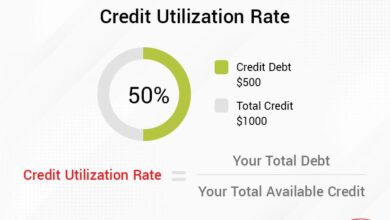
- The individual’s current level of credit utilization, or how much of their available credit they are currently using.
- Overall financial health, including existing debts and other financial obligations.
Impact of credit history, income, and credit utilization
One of the most significant factors influencing credit limit decisions is the individual’s credit history. A strong credit history, characterized by a high credit score and a history of on-time payments, is likely to result in a higher credit limit. Similarly, a higher income level can also positively impact the credit limit assigned to an individual. Financial institutions often view higher income as a sign of a customer’s ability to repay debts responsibly.
Ways to increase your credit limit
Increasing your credit limit can provide you with more financial flexibility and improve your overall credit utilization ratio. Here are some strategies to help you boost your creditworthiness and enhance your chances of securing a higher credit limit.
Improving Creditworthiness
Enhancing your creditworthiness is crucial in convincing credit card issuers to grant you a higher credit limit. Here are some steps you can take to improve your creditworthiness:
- Make timely payments on all your bills to demonstrate responsible financial behavior.
- Reduce your outstanding debt to income ratio by paying off existing debts.
- Avoid applying for multiple new credit accounts within a short period of time.
- Regularly check your credit report for errors and dispute any inaccuracies.
Maintaining a Good Credit Score
Your credit score plays a significant role in determining the credit limit you may be approved for. A higher credit score indicates to lenders that you are a low-risk borrower. To maintain a good credit score, follow these tips:
- Pay your bills on time to avoid negative marks on your credit report.
- Keep your credit card balances low and aim to utilize only a small portion of your available credit.
- Avoid closing old credit accounts as they can help improve your credit history length.
Requesting a Credit Limit Increase
If you believe you are eligible for a higher credit limit based on your improved creditworthiness and credit score, you can request a credit limit increase from your credit card issuer. Here’s how you can go about it:
- Contact your credit card issuer through their customer service hotline or online portal.
- Clearly articulate the reasons why you believe you deserve a credit limit increase.
- Provide any supporting documentation, such as proof of increased income or improved credit score.
- Be prepared for a potential credit inquiry, which may temporarily impact your credit score.
Utilization of existing credit
Responsible usage of existing credit plays a crucial role in determining your credit limit eligibility. Lenders assess how you manage your current credit accounts to determine if you can handle a higher credit limit. Here are some tips to help you effectively manage your credit card balances and payments to positively impact credit limit decisions.
Tips for Managing Credit Card Balances and Payments
- Pay on time: Ensure you make at least the minimum payment by the due date every month to avoid late fees and negative marks on your credit report.
- Keep balances low: Aim to keep your credit card balances below 30% of your credit limit to demonstrate responsible credit usage.
- Avoid maxing out your cards: Using up the entire credit limit on your cards can signal financial distress to lenders, impacting your credit limit approvals.
- Monitor your statements: Regularly review your credit card statements to catch any errors or unauthorized charges promptly.
Understanding Credit Utilization Ratio
Maintaining a low credit utilization ratio is key to increasing your chances of getting a high credit limit. The credit utilization ratio is the percentage of your total credit limit that you are currently using. Lenders prefer to see this ratio below 30% as it indicates that you are not overly reliant on credit. By managing your credit card balances wisely and keeping your utilization ratio low, you can improve your creditworthiness and enhance your eligibility for a higher credit limit.
Communicating with credit card issuers
When it comes to requesting a credit limit increase from your credit card issuer, effective communication is key. Here are some strategies to help you navigate this process successfully.
Key Points for Written Request
- Start by addressing the letter to the appropriate department or individual at the credit card company.
- Clearly state your request for a credit limit increase and provide a valid reason for why you are seeking this change.
- Highlight your responsible credit behavior, such as on-time payments and low credit utilization, to support your case.
- Include any relevant financial information that showcases your ability to handle a higher credit limit.
- Express gratitude for the consideration of your request and provide contact information for further communication.
Negotiating for a Higher Credit Limit
- Prepare in advance by researching current credit card offers and rates to leverage during negotiations.
- Be confident and assertive when discussing your request with the credit card issuer, emphasizing your loyalty as a customer.
- Remain flexible and open to compromises, such as accepting a smaller credit limit increase initially with the possibility of a review in the future.
- Listen actively to the response from the credit card issuer and be prepared to address any concerns or questions they may have.
- Follow up with a thank-you note regardless of the outcome, maintaining a positive relationship for potential future requests.
Closing Notes
In conclusion, increasing your chances of getting a high credit limit requires a proactive approach towards managing your credit profile and engaging with credit card companies. By following the tips and strategies outlined, you can work towards securing the credit limit you desire.