How to Get High Credit Limit Cards Even with Average Credit Score sets the stage for understanding how to attain high credit limits despite having an average credit score. This guide offers valuable insights and practical tips to help you navigate the world of credit cards effectively.
Exploring the key factors influencing credit limits and strategies to boost your credit score opens up a realm of possibilities for accessing high credit limit cards.






Factors influencing credit limit
When applying for a credit card, several factors come into play in determining the credit limit that will be assigned to you. Understanding these factors can help you improve your chances of securing a higher credit limit.
Credit scores impact on credit limits
Your credit score plays a crucial role in determining the credit limit you are offered. A higher credit score indicates to lenders that you are a responsible borrower, making you eligible for higher credit limits. On the other hand, a lower credit score may result in a lower credit limit or even a rejection of your application.
Income and employment status
Your income and employment status are also key factors in determining your credit limit. Lenders want to ensure that you have the financial means to repay any credit extended to you. A higher income and stable employment history can increase your chances of being approved for a higher credit limit.
Credit utilization ratio
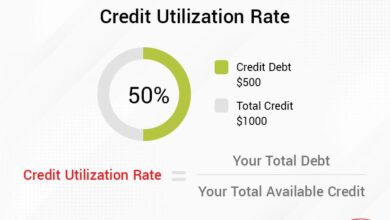
Credit utilization ratio, which is the amount of credit you are using compared to the total credit available to you, is another important factor. Lenders prefer to see a lower credit utilization ratio, ideally below 30%, as it indicates that you are not overly reliant on credit and can manage your finances responsibly.
Other influencing factors
In addition to credit score, income, employment status, and credit utilization ratio, other factors may also influence credit limit decisions. These may include your credit history, length of credit history, existing debt obligations, and the specific credit card issuer’s policies and criteria.
Strategies to increase credit limit
Increasing your credit limit can provide you with more financial flexibility and improve your credit utilization ratio. Here are some strategies to help you boost your credit limit:
Improving credit score
One of the most effective ways to qualify for higher credit limits is by improving your credit score. Make sure to pay your bills on time, keep your credit card balances low, and avoid opening multiple new accounts in a short period of time.
Requesting a credit limit increase
Another way to increase your credit limit is by requesting a credit limit increase from your current credit card issuers. Contact your card issuer and inquire about the possibility of a higher limit based on your responsible credit management.
Applying for a new credit card
If you’re looking for a higher credit limit, consider applying for a new credit card with a higher limit. Look for credit cards that cater to individuals with your credit score range and offer competitive credit limits.
Secured vs. unsecured credit cards
Secured credit cards require a security deposit, which typically determines your credit limit. On the other hand, unsecured credit cards don’t require a deposit but may offer lower credit limits initially. Consider the pros and cons of each type of card when aiming for a higher credit limit.
Building credit history for higher credit limits
Building a positive credit history is essential to qualify for high credit limit cards. By following a strategic plan and maintaining good credit standing, you can increase your chances of getting better credit card offers. Let’s explore some steps to achieve this goal.
Establish a Positive Credit History
One way to build credit history is by using credit builder loans. These loans are designed to help individuals with limited credit history or low credit scores establish a positive credit profile. By making on-time payments, you can demonstrate your creditworthiness to potential lenders.
Maintain Good Credit Standing
To qualify for high credit limit cards, it’s important to maintain a good credit standing. This includes paying your bills on time, keeping your credit utilization low, and avoiding excessive debt. By demonstrating responsible financial behavior, you can improve your credit score and increase your chances of getting approved for higher credit limits.
Impact of Late Payments or Defaults
Late payments or defaults can have a negative impact on your credit limit approval. Lenders may view these as red flags indicating financial instability, which can lead to lower credit limits or even rejection of your credit card application. To avoid this, always make timely payments and communicate with your creditors if you encounter financial difficulties.
Conclusion
In conclusion, mastering the art of managing credit scores and utilizing effective strategies can pave the way for obtaining high credit limit cards even with an average credit score. By following the outlined steps and staying proactive in improving your creditworthiness, you can unlock a world of financial opportunities.