Beginning with How to Get Approved for High Limit Cards as a Beginner, the narrative unfolds in a compelling and distinctive manner, drawing readers into a story that promises to be both engaging and uniquely memorable.
Understanding the key factors, building a solid credit history, choosing the right card, navigating the application process, and utilizing credit responsibly are essential steps for beginners aiming to secure high limit cards.






Factors to Consider
When aiming to get approved for high limit credit cards as a beginner, there are several key factors to take into consideration. These factors play a crucial role in determining whether you qualify for a high credit limit or not.
Credit Score Range
Your credit score is a significant factor that credit card issuers consider when deciding on the credit limit to offer you. Typically, a good to excellent credit score in the range of 700 and above is often required to qualify for high limit cards. A higher credit score demonstrates your creditworthiness and ability to manage credit responsibly, making you a more attractive candidate for a high credit limit.
Good Credit History
Having a good credit history is essential when applying for high limit credit cards. A solid credit history reflects your past credit behavior and repayment habits. Lenders are more likely to approve higher credit limits for individuals with a history of on-time payments, low credit utilization, and a minimal number of negative marks on their credit report. Therefore, maintaining a positive credit history is crucial in increasing your chances of getting approved for high limit cards.
Income Level
Apart from your credit score and credit history, your income level also plays a significant role in determining your eligibility for high limit credit cards. Credit card issuers assess your income to evaluate your ability to repay the borrowed funds. A higher income level indicates that you have the financial means to handle larger credit limits, making you a more favorable candidate for high limit cards. Therefore, having a stable and sufficient income can positively impact your chances of receiving approval for high credit limits.
Building Credit History
Building a positive credit history is essential for beginners looking to get approved for high limit cards. This involves establishing a track record of responsible credit management to show lenders that you are a low-risk borrower.
Significance of On-Time Payments and Low Credit Utilization
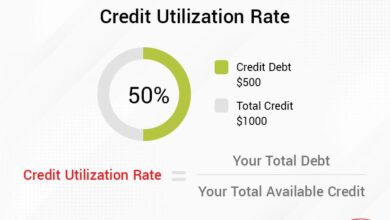
One of the key factors in building credit is making on-time payments on all your credit accounts. This demonstrates your reliability in meeting your financial obligations and contributes to a positive credit history. Additionally, keeping your credit utilization low, ideally below 30% of your available credit limit, shows that you are able to manage credit responsibly.
Impact of a Mix of Credit Accounts
Having a mix of credit accounts, such as credit cards, installment loans, and mortgages, can positively impact your creditworthiness. Lenders like to see that you can handle different types of credit responsibly, which can improve your credit score. However, it’s important to manage these accounts wisely and avoid taking on more credit than you can handle.
Choosing the Right Card
When it comes to choosing the right credit card as a beginner, there are a few key factors to consider to ensure you are on the right track to building a solid credit history.
High Limit Cards Suitable for Beginners
For beginners looking to get approved for high limit cards, it is important to start with credit cards that are specifically designed for those with limited or no credit history. Some popular options include:
- Discover it Secured Credit Card
- Capital One Platinum Credit Card
- Petal 2 “Cash Back, No Fees” Visa Credit Card
Secured vs. Unsecured Credit Cards
Secured credit cards require a cash deposit that serves as your credit limit, making them easier to qualify for and a great option for beginners looking to build credit. On the other hand, unsecured credit cards do not require a deposit but may have higher interest rates and fees.
Reading Terms and Conditions
Before applying for any credit card, it is crucial to carefully read and understand the terms and conditions. This includes details on interest rates, fees, rewards, and any other important information that could impact your financial health. Always make sure you are fully aware of what you are signing up for.
Application Process
When applying for a high limit credit card, it’s important to follow a structured process to increase your chances of approval. Here are the steps involved in the application process and some tips to help you along the way.
Steps to Apply for a High Limit Credit Card
- Research: Start by researching different credit card options to find one that suits your needs and offers a high credit limit.
- Check Eligibility: Make sure you meet the eligibility criteria set by the credit card issuer before applying.
- Prepare Documents: Gather all necessary documents such as proof of income, identification, and address verification.
- Fill Out Application: Complete the credit card application form accurately with all required information.
- Submit Application: Submit your application either online or by visiting a branch of the issuing bank.
Impact of Hard Inquiries on Credit Scores
During the application process, credit card issuers will perform a hard inquiry on your credit report to assess your creditworthiness. Each hard inquiry can temporarily lower your credit score by a few points. It’s important to limit the number of hard inquiries on your credit report to avoid significant impacts on your credit score.
Tips to Increase Approval Chances for High Limit Cards
- Maintain a Good Credit Score: A higher credit score increases your chances of approval for a high limit credit card.
- Low Credit Utilization: Keep your credit utilization ratio low by using only a small portion of your available credit.
- Income Verification: Ensure you have a stable income and can provide proof of income to support your application.
- Apply for Suitable Cards: Apply for credit cards that match your credit profile and financial situation to improve approval chances.
- Limit Applications: Avoid submitting multiple credit card applications within a short period to prevent negative impacts on your credit score.
Utilizing Credit Responsibly
Responsible credit card usage is crucial when it comes to maintaining a high credit limit. It not only helps you avoid debt but also builds a positive credit history, which can lead to future credit limit increases.
Avoiding Overspending
- Set a budget: Determine how much you can afford to spend each month and stick to it.
- Avoid impulse purchases: Think twice before making a purchase and consider if it fits within your budget.
- Pay off the balance: Aim to pay off the full balance each month to avoid accruing interest.
Achieving Regular Credit Limit Increases
- Make timely payments: Pay your credit card bills on time to demonstrate responsible financial behavior.
- Keep credit utilization low: Try to keep your credit utilization ratio below 30% to show you can manage credit responsibly.
- Request a credit limit increase: After consistently using your card responsibly, you can request a credit limit increase from your card issuer.
End of Discussion
In conclusion, obtaining approval for high limit credit cards as a beginner requires a strategic approach that focuses on creditworthiness, responsible credit usage, and informed decision-making. By following the outlined steps and staying committed to financial health, beginners can set themselves up for success in the world of high limit cards.