How to Build Credit Score to Unlock High Limit Credit Cards sets the stage for this enthralling narrative, offering readers a glimpse into a story that is rich in detail and brimming with originality from the outset. It covers the essentials of understanding credit scores, establishing good financial habits, applying for credit cards strategically, and monitoring your credit score regularly.
Understand the Basics of Credit Scores
Having a good credit score is crucial for financial stability and access to credit cards with high limits. Let’s break down the key components of credit scores to help you build and maintain a healthy credit profile.






What is a Credit Score and How is it Calculated?
A credit score is a three-digit number that reflects your creditworthiness based on your credit history. It is calculated using information from your credit report, such as payment history, credit utilization, length of credit history, new credit inquiries, and credit mix.
- Payment History: This is the most crucial factor in determining your credit score. It shows how consistently you have made on-time payments for your credit accounts.
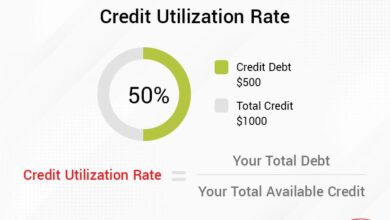
- Credit Utilization: This is the ratio of your credit card balances to your credit limits. Keeping this ratio low can positively impact your credit score.
- Length of Credit History: The longer your credit history, the better it is for your credit score. It demonstrates your experience in managing credit over time.
- New Credit: Opening multiple new credit accounts in a short period can lower your credit score as it may indicate financial distress.
- Credit Mix: Having a mix of different types of credit accounts, such as credit cards, loans, and mortgages, can positively impact your credit score.
Importance of Maintaining a Good Credit Score
Maintaining a good credit score is essential for various financial activities, such as applying for loans, mortgages, and credit cards. A high credit score not only helps you qualify for better interest rates but also allows you to unlock credit cards with high limits, providing you with greater purchasing power and financial flexibility.
Establish Good Financial Habits to Improve Credit Score
Establishing good financial habits is crucial for improving your credit score and unlocking high limit credit cards. By following these tips, you can work towards a stronger financial future.
Make On-Time Payments for Bills and Loans
One of the most important factors in determining your credit score is your payment history. Make sure to pay all your bills and loan payments on time to show lenders that you are a responsible borrower. Late payments can have a negative impact on your credit score, so setting up automatic payments or reminders can help you stay on track.
Keep Credit Card Balances Low to Improve Credit Utilization Ratio
Your credit utilization ratio, which is the amount of credit you are using compared to the total amount available to you, plays a significant role in your credit score. Aim to keep your credit card balances low, ideally below 30% of your credit limit. This shows lenders that you are not overly reliant on credit and can manage your finances responsibly.
Benefits of Keeping Old Accounts Open to Show a Longer Credit History
Length of credit history is another important factor in calculating your credit score. By keeping old accounts open, you can demonstrate a longer credit history, which can have a positive impact on your credit score. Even if you don’t use these accounts frequently, keeping them open can show lenders your ability to manage credit over time.
Apply for Credit Cards Strategically
When it comes to building your credit score and unlocking high limit credit cards, applying for credit cards strategically is key. By understanding the different types of credit cards and how they can impact your credit score, you can make informed decisions to improve your financial health.
Types of Credit Cards
- Secured Credit Cards: These cards require a security deposit and are a good option for those with limited or poor credit history. They can help you build credit over time.
- Unsecured Credit Cards: These cards do not require a security deposit and are based on your creditworthiness. They typically have higher credit limits and can help improve your credit score if used responsibly.
- Retail Cards: Retail credit cards are specific to certain stores and can offer perks like discounts or rewards. However, they often come with high interest rates, so it’s important to use them wisely.
Impact of Hard Inquiries
When you apply for a credit card, the lender will perform a hard inquiry on your credit report. These inquiries can temporarily lower your credit score, so it’s important to minimize them. Here’s how:
- Do your research and only apply for credit cards that you’re likely to be approved for.
- Avoid submitting multiple credit card applications within a short period of time.
- Consider pre-qualifying for credit cards to see if you’re eligible without impacting your credit score.
Being Selective with Credit Card Applications
It’s important to be strategic and selective when applying for credit cards to avoid damaging your credit score. Here are some tips to consider:
- Focus on cards that align with your financial goals and spending habits.
- Avoid applying for multiple cards at once, as this can make you appear desperate for credit.
- Monitor your credit score regularly and only apply for new credit when necessary.
Monitor Your Credit Score Regularly
Monitoring your credit score regularly is essential to maintaining good financial health and unlocking high limit credit cards. By keeping a close eye on your credit reports, you can ensure accuracy, identify areas for improvement, and detect any fraudulent activities that may harm your score.
Check Credit Reports for Errors and Fraudulent Activities
- Regularly review your credit reports from all three major credit bureaus – Equifax, Experian, and TransUnion.
- Look for any errors such as incorrect personal information, accounts you don’t recognize, or unauthorized inquiries.
- If you spot any discrepancies, dispute them with the credit bureaus to have them corrected.
- Check for signs of identity theft or fraudulent activities, such as new accounts opened in your name without your knowledge.
- Report any suspicious activity to the credit bureaus and the relevant financial institutions immediately.
Identify Areas for Improvement
- By monitoring your credit score regularly, you can track changes and identify areas where you can improve.
- Focus on factors that impact your credit score, such as payment history, credit utilization, and length of credit history.
- Set goals to address any negative factors and work towards improving your credit score over time.
- Monitor the impact of your financial decisions on your credit score and adjust your habits accordingly.
Resources and Tools for Tracking Credit Score Changes
- Utilize free credit monitoring services offered by websites like Credit Karma, Credit Sesame, or your bank.
- Sign up for credit monitoring alerts to receive notifications of any significant changes to your credit score or credit report.
- Consider enrolling in a credit monitoring service that provides regular updates and insights into your credit profile.
- Use online tools and calculators to simulate how certain actions, such as paying off debt or opening new accounts, may impact your credit score.
Closure
In conclusion, building a solid credit score is key to unlocking high limit credit cards. By following the tips and strategies outlined, individuals can improve their financial health and access better credit opportunities.