Delving into How to Avoid Rejection When Applying for High Limit Credit Cards, this introduction immerses readers in a unique and compelling narrative, with casual formal language style that is both engaging and thought-provoking from the very first sentence.
Understanding the factors influencing credit card approval, strategies to boost creditworthiness, tips on choosing the right high limit credit card, and crafting a strong application can significantly increase your chances of approval.






Factors that Influence Credit Card Approval
When applying for high limit credit cards, several key factors come into play that can influence the approval decision by credit card companies. Understanding these factors can help increase your chances of getting approved for the credit limit you desire.
Credit Score
A crucial factor that credit card companies consider is your credit score. A higher credit score indicates to lenders that you are a responsible borrower who is likely to repay debts on time. Typically, a credit score above 700 is considered good and can improve your chances of approval for a high limit credit card.
Income Level
Another important factor is your income level. Credit card companies want to ensure that you have enough income to cover the credit limit you are requesting. A higher income level can demonstrate your ability to manage and repay the credit card debt, making you a more attractive candidate for a high limit credit card.
Debt-to-Income Ratio
Your debt-to-income ratio is also taken into account during the approval process. This ratio compares your monthly debt payments to your monthly income. A lower debt-to-income ratio indicates that you have more disposable income available to make credit card payments, increasing your chances of approval for a high limit credit card.
History of On-Time Payments and Low Credit Utilization
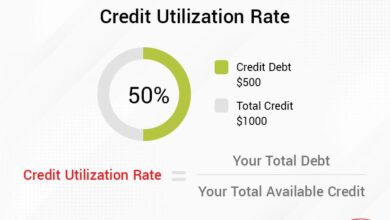
Having a history of making on-time payments on your debts and maintaining low credit card utilization can significantly boost your chances of approval for a high limit credit card. Lenders view these behaviors positively as they indicate responsible financial management and reduce the risk of default.
Strategies to Improve Creditworthiness
Improving your creditworthiness is essential when applying for high limit credit cards. By taking proactive steps to enhance your credit score, lower existing debt, and review your credit reports for errors, you can increase your chances of approval and secure better terms.
Tips to Improve Credit Score
- Pay bills on time: Late payments can negatively impact your credit score, so make sure to pay your bills on time each month.
- Reduce credit card balances: Lowering your credit card balances can improve your credit utilization ratio, which is a key factor in determining your credit score.
- Avoid opening new accounts: Opening multiple new accounts within a short period can signal risk to lenders and lower your credit score.
Benefits of Lowering Existing Debt and Increasing Income
- Lower debt-to-income ratio: By reducing your existing debt and increasing your income, you can improve your debt-to-income ratio, which is an important factor in creditworthiness.
- Greater financial stability: Lowering debt and increasing income can also demonstrate financial responsibility to lenders, making you a more attractive borrower.
Reviewing Credit Reports for Errors
- Regularly check your credit reports: Monitoring your credit reports can help you identify any errors or inaccuracies that may be dragging down your credit score.
- Dispute inaccuracies: If you find errors on your credit report, follow the proper procedures to dispute them with the credit bureaus and have them corrected.
- Monitor changes: Keep track of any changes to your credit report after disputing errors to ensure they have been resolved and your credit score has been updated accordingly.
Choosing the Right High Limit Credit Card
When it comes to selecting a high limit credit card, it’s essential to consider various factors to ensure it aligns with your financial needs and goals.
Comparing High Limit Credit Cards
- Compare interest rates: Look for a card with a competitive interest rate to avoid paying excessive fees on outstanding balances.
- Evaluate fees: Consider annual fees, late payment fees, and any other charges associated with the credit card to choose one that suits your budget.
- Review rewards: Determine if the card offers rewards or cashback benefits that align with your spending habits to maximize the benefits.
Choosing Based on Spending Habits and Financial Goals
- Assess your spending habits: Select a credit card that offers rewards or benefits on categories where you spend the most to make the most out of your card.
- Consider financial goals: If you are looking to build credit or earn rewards for travel, choose a card that aligns with these specific goals.
Importance of Reading Terms and Conditions
It’s crucial to carefully read the terms and conditions of a high limit credit card to avoid any hidden fees or surprises that may impact your financial well-being. Pay close attention to details such as the grace period, balance transfer fees, and any penalties to make an informed decision.
Crafting a Strong Credit Card Application
When applying for a high limit credit card, it is crucial to craft a strong application to increase your chances of approval. This involves providing accurate information and presenting yourself in the best light possible.
Essential Information for Credit Card Application
- Personal Information: Fill out all sections of the application form accurately, including your name, address, contact details, and social security number.
- Income Details: Provide precise information about your income sources, including salary, bonuses, investments, and any other sources of income.
- Assets Information: List all your assets, such as savings, investments, properties, and valuable possessions.
- Debt Details: Disclose any existing debts or liabilities you may have, including loans, mortgages, or outstanding credit card balances.
Accurately Reporting Income and Assets
- Be Honest: It is essential to be honest when reporting your income and assets. Falsifying information can lead to rejection and legal consequences.
- Include All Sources: Make sure to include all sources of income and assets to provide a complete picture of your financial situation.
- Verification: Some credit card companies may verify the information provided, so ensure accuracy to avoid discrepancies.
- Documentation: Keep records of your income and assets handy in case you need to provide proof or additional information.
Writing a Compelling Cover Letter
- Introduction: Start with a brief introduction about yourself, highlighting your qualifications and why you are a suitable candidate for a high limit credit card.
- Financial Stability: Emphasize your financial stability by mentioning your steady income, low debt-to-income ratio, and strong credit history.
- Reason for High Limit: Clearly state why you are seeking a high limit credit card and how it aligns with your financial goals and needs.
- Closing Statement: End with a strong closing statement expressing your gratitude for considering your application and your readiness to manage a high limit responsibly.
Outcome Summary
In conclusion, mastering the art of navigating the credit card application process can open doors to high limit credit cards. By implementing the strategies discussed, you can avoid rejection and secure the credit you desire.