Best Banking Relationships to Help You Get Higher Credit Limits sets the stage for this enthralling narrative, offering readers a glimpse into a story that is rich in detail with a focus on enhancing credit limits through strategic banking relationships. From understanding the importance of these relationships to practical tips on improving credit history, this topic delves into the key factors that can help individuals secure higher credit limits.
As we navigate through the intricacies of banking relationships and credit limits, readers will gain valuable insights into the world of personal finance and how cultivating strong ties with financial institutions can open doors to expanded credit opportunities. Let’s embark on this enlightening journey together.






Understanding Banking Relationships
Banking relationships refer to the connection and interaction between a customer and their bank, which can have a significant impact on various financial aspects, including credit limits.
Having a good banking relationship can positively influence credit limits in several ways. Banks are more likely to increase credit limits for customers with whom they have a strong and long-standing relationship. This is because a good relationship reflects trustworthiness and financial stability, which are crucial factors for banks when assessing a customer’s creditworthiness.
How Banks Assess Relationships for Credit Limits
- Banks consider the length of the customer’s relationship with the bank. A long-standing relationship indicates loyalty and stability, which can lead to higher credit limits.
- Regular deposits and transactions in the account can demonstrate financial responsibility and reliability, influencing the bank’s decision to increase credit limits.
- Timely payments on loans and credit cards showcase the customer’s creditworthiness and ability to manage debt effectively, which can result in higher credit limits.
Importance of Strong Credit History
Having a strong credit history is crucial when it comes to building better banking relationships. Your credit history is a record of your past borrowing and repaying behavior, and it plays a significant role in determining your creditworthiness in the eyes of lenders.
A positive credit history can lead to higher credit limits as it demonstrates to banks that you are a responsible borrower who is likely to repay debts on time. This, in turn, can result in banks being more willing to extend higher credit limits to you, giving you greater financial flexibility.
Tips to Improve Credit History
- Pay your bills on time: One of the most important factors affecting your credit score is your payment history. Make sure to pay all your bills on time to show lenders that you are reliable.
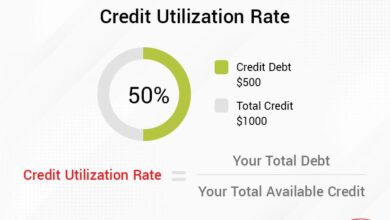
- Keep credit card balances low: Try to keep your credit card balances below 30% of your credit limit. This shows that you are able to manage your credit responsibly.
- Avoid opening too many new accounts: Opening multiple new accounts in a short period can lower the average age of your accounts, which may negatively impact your credit score.
- Regularly check your credit report: Monitor your credit report for any errors or fraudulent activity that could be dragging down your score. Dispute any inaccuracies you find.
- Use credit responsibly: Only borrow what you can afford to repay and avoid maxing out your credit cards. Responsible credit usage can help build a positive credit history over time.
Utilizing Multiple Accounts for Better Credit Limits
Having multiple accounts with a bank can significantly impact your credit limits in a positive way. By spreading your financial activity across different accounts, you demonstrate to the bank that you are capable of managing multiple financial responsibilities effectively.
Benefits of Consolidating Accounts
- Consolidating your accounts can provide a clearer picture of your overall financial health to the bank, potentially leading to higher credit limit offers.
- It can also help streamline your banking relationships, making it easier to track and manage your finances efficiently.
- Having all your accounts in one place may make it easier for the bank to assess your creditworthiness, which could result in better credit terms.
Strategies for Managing Multiple Accounts
- Keep track of all your accounts regularly to ensure timely payments and avoid any negative impact on your credit score.
- Set up alerts and notifications to stay informed about any changes or activities on your accounts.
- Consider automating payments to avoid missing deadlines and maintain a positive credit history.
- Communicate with your bank to explore opportunities for consolidating accounts or adjusting credit limits based on your financial needs.
Communication and Transparency with Banks
Clear communication with banks is crucial when it comes to improving credit limits. By openly discussing your financial goals and providing transparent information about your income, expenses, and credit history, you can establish trust and strengthen your banking relationships.
Tips for Effective Communication with Banks
- Be honest and upfront about your financial situation, including any challenges you may be facing.
- Regularly update your bank about any changes in your income, job status, or financial responsibilities.
- Ask for feedback on how you can improve your creditworthiness and what steps you can take to increase your credit limits.
- Provide all necessary documentation promptly and accurately to support your credit limit increase requests.
- Express gratitude and appreciation for any assistance or guidance provided by your bank representatives.
Closing Summary
In conclusion, Best Banking Relationships to Help You Get Higher Credit Limits sheds light on the crucial link between banking relationships and credit limits. By prioritizing clear communication, strengthening credit history, and effectively managing multiple accounts, individuals can pave the way for increased credit limits and financial stability. Embrace the power of strategic banking relationships to unlock new possibilities and secure a brighter financial future.